Team Tips
- Go for a well-equipped van: Heating, good ventilation, and a battery that charges while driving make all the difference for your comfort.
- Organize your space from the start: In a van, everything has its place. Take the time to properly organize your belongings.
- Cook outside with a view: This is one of the greatest pleasures of van life: preparing your meals with the stunning Icelandic landscapes as your backdrop.
- Don't underestimate the Icelandic weather: Even in the middle of summer, always have a waterproof jacket and warm clothes on hand.
- Trust our experts: Our vans come equipped with everything you need, and our campsites are selected and reserved for you… You just have to enjoy!
Traveling in a campervan in Iceland: the complete guide
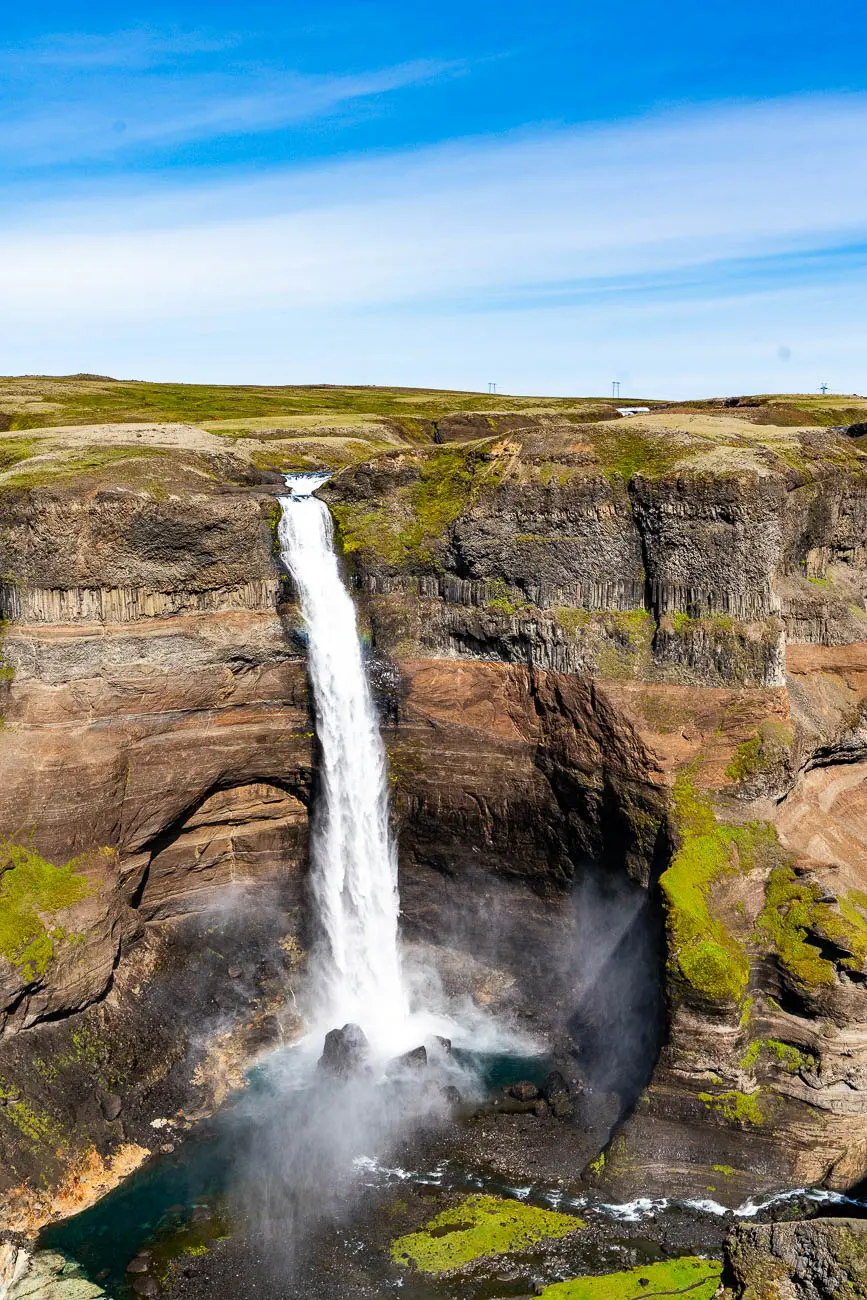
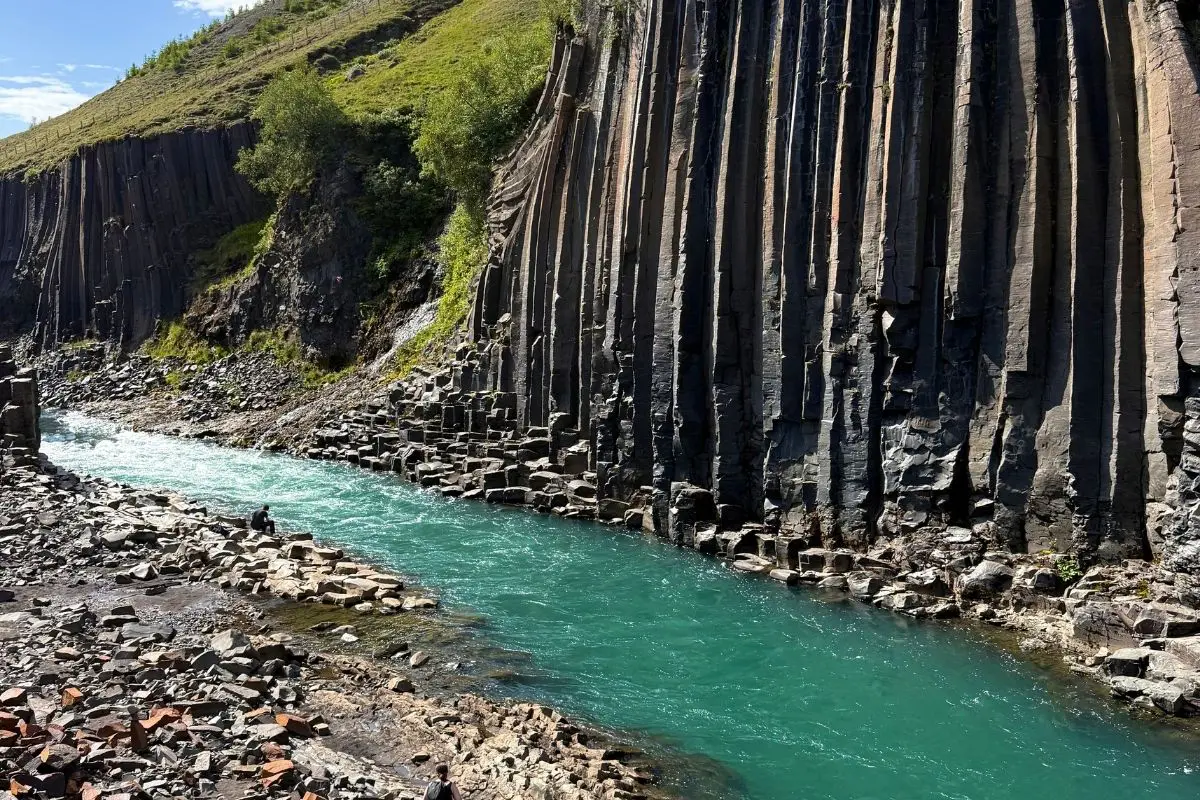
Do you dream of traveling the Ring Road with your home on wheels? Waking up facing a glacier, brewing your coffee in front of a fjord, and sleeping cozy after a day of exploring waterfalls? A van road trip in Iceland is exactly that: total freedom combined with the comfort of a real little mobile home.
We’ll tell you everything you need to know to make your van adventure in Iceland a success: from trip preparation to camping rules, along with practical tips for living comfortably in your van.
Why choose a camper van for Iceland?
The camper van offers a perfect compromise between adventure and comfort. Unlike traditional camping, you don’t have to set up and take down your tent every day. Everything is already there: your bed, your kitchen, your belongings neatly stored.
In Iceland, where the weather can change every ten minutes, this is a real plus. Pouring rain? You can cook sheltered. Wind strong enough to blow the sheep away? You stay nice and warm in your van with a view of the passing landscape. And when the sun comes back (yes, it happens!), you can set up your awning and enjoy your coffee on the terrace.
The van also allows you to travel earlier in the season. Starting in May, when Iceland comes out of winter and nature awakens, you can set off comfortably thanks to the heating system. Fewer tourists, lower prices, and the magic of landscapes coming back to life. To learn more about when to go to Iceland by season, check out our complete guide.
Van converted vs other options: what to choose?
Camper Van vs 4x4 with Rooftop Tent
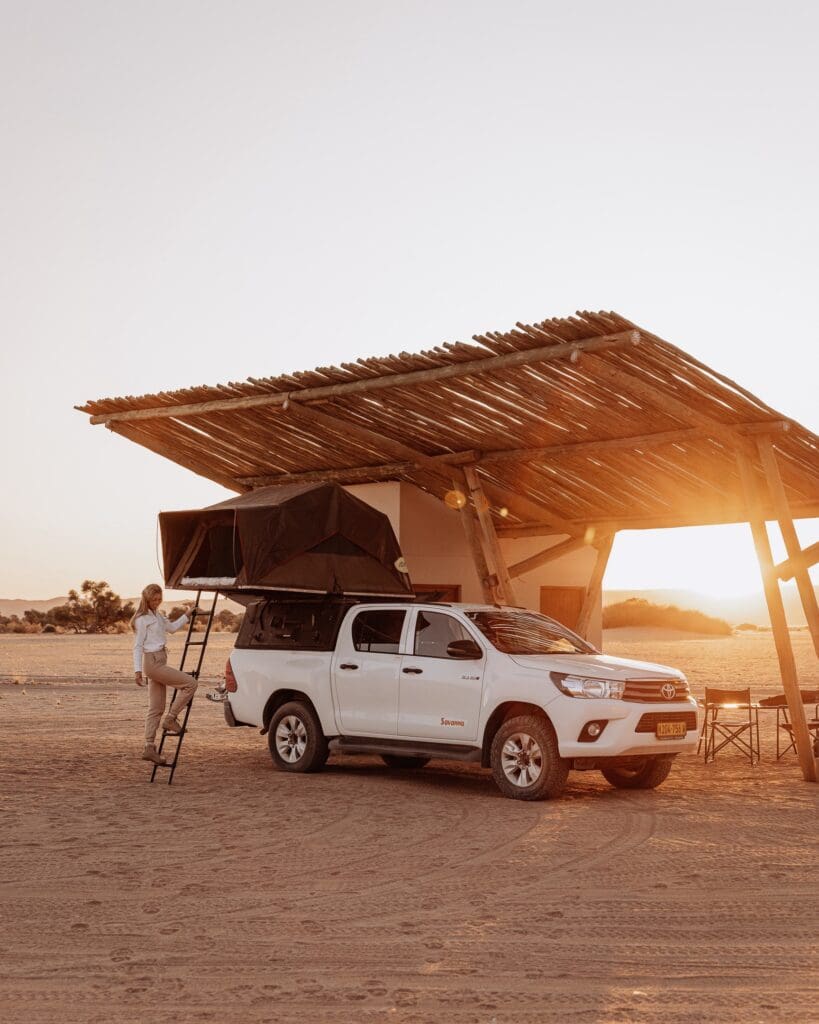
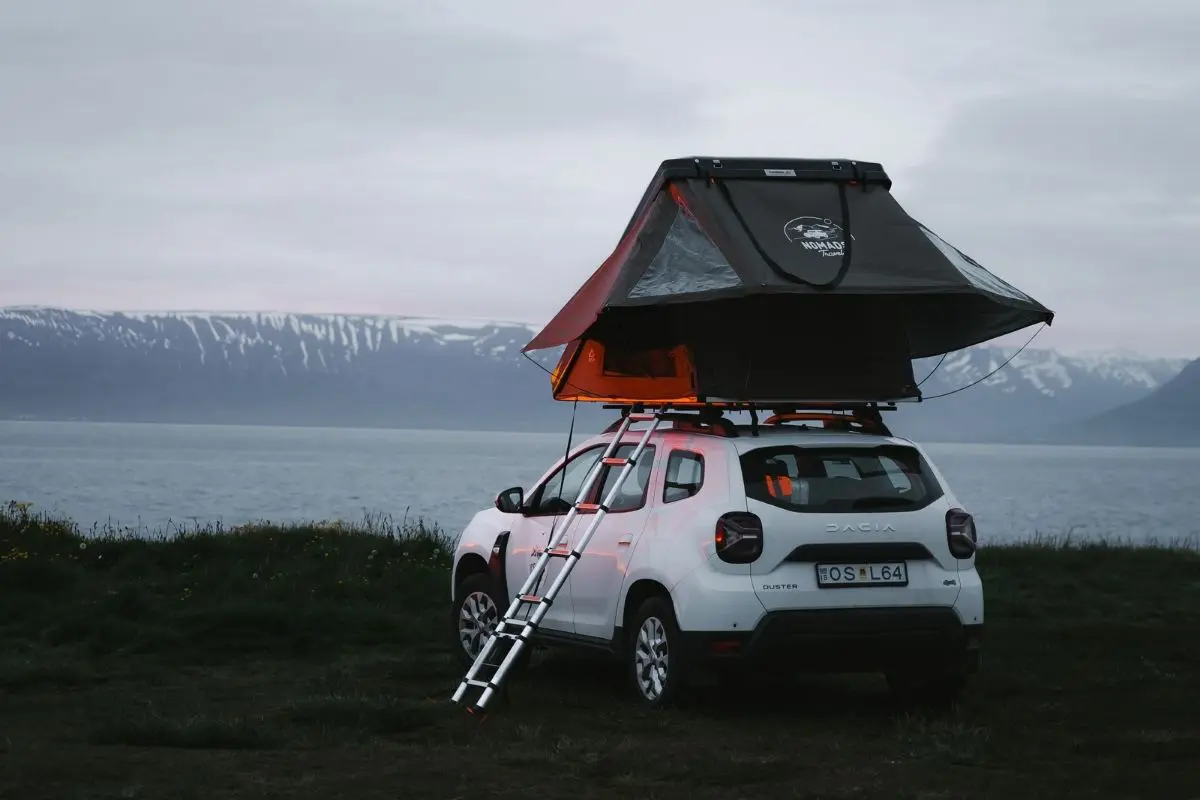
The 4x4 with a rooftop tent gives you access to the F-roads of the Highlands and brings you closer to the authentic camping experience. Perfect for adventurers who want to explore remote areas and aren't afraid to climb into their tent every night.
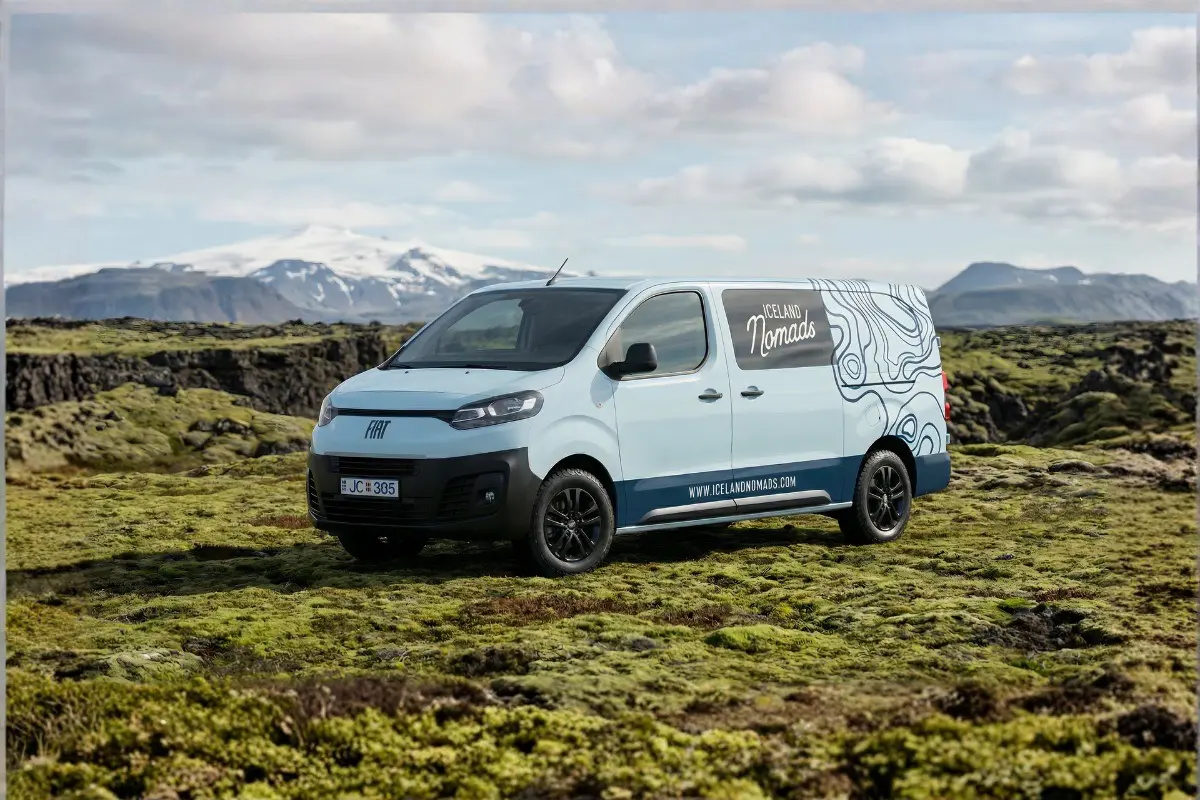
The camper van prioritizes comfort and practicality. You have a real living space with a built-in kitchen, no need to go outside to access your bed, and more space to settle in when it rains. Ideal if you're traveling at the beginning or end of the season, or if you simply prefer a bit more comfort after your days of exploration. For a detailed comparison, check out our article on renting a rooftop tent in Iceland: the perfect alternative to a camper van.
Camper Van vs Motorhome
The motorhome offers even more space and amenities (toilet, onboard shower), but it is much more expensive to rent and operate (fuel consumption in Iceland adds up quickly). It is also less maneuverable on some narrow roads and in parking lots.
The van remains compact, easy to drive and park anywhere, while providing the essentials: a good bed, a functional kitchen, and everything you need to be self-sufficient. For most travelers, this is more than enough, especially since Icelandic campgrounds have excellent sanitary facilities.
Choosing the right camper van
Essential Equipment
Not all vans are created equal. Here’s what to check before booking:
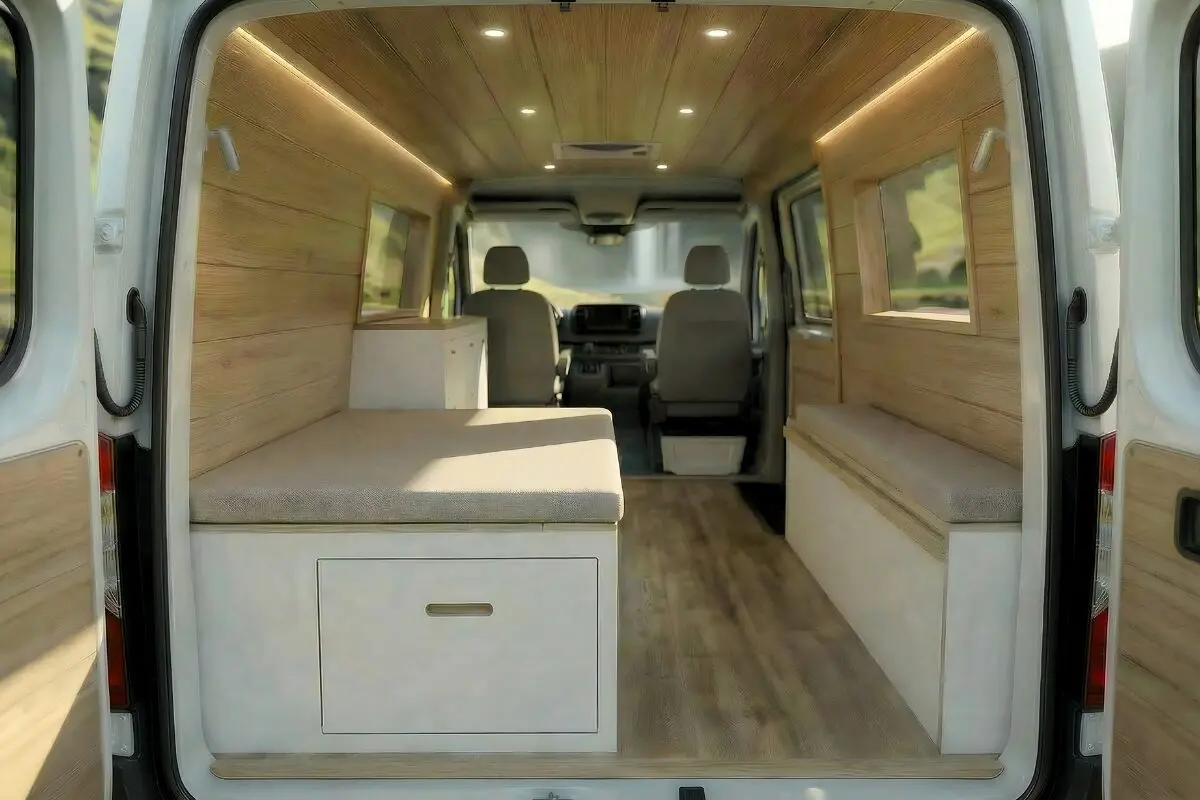
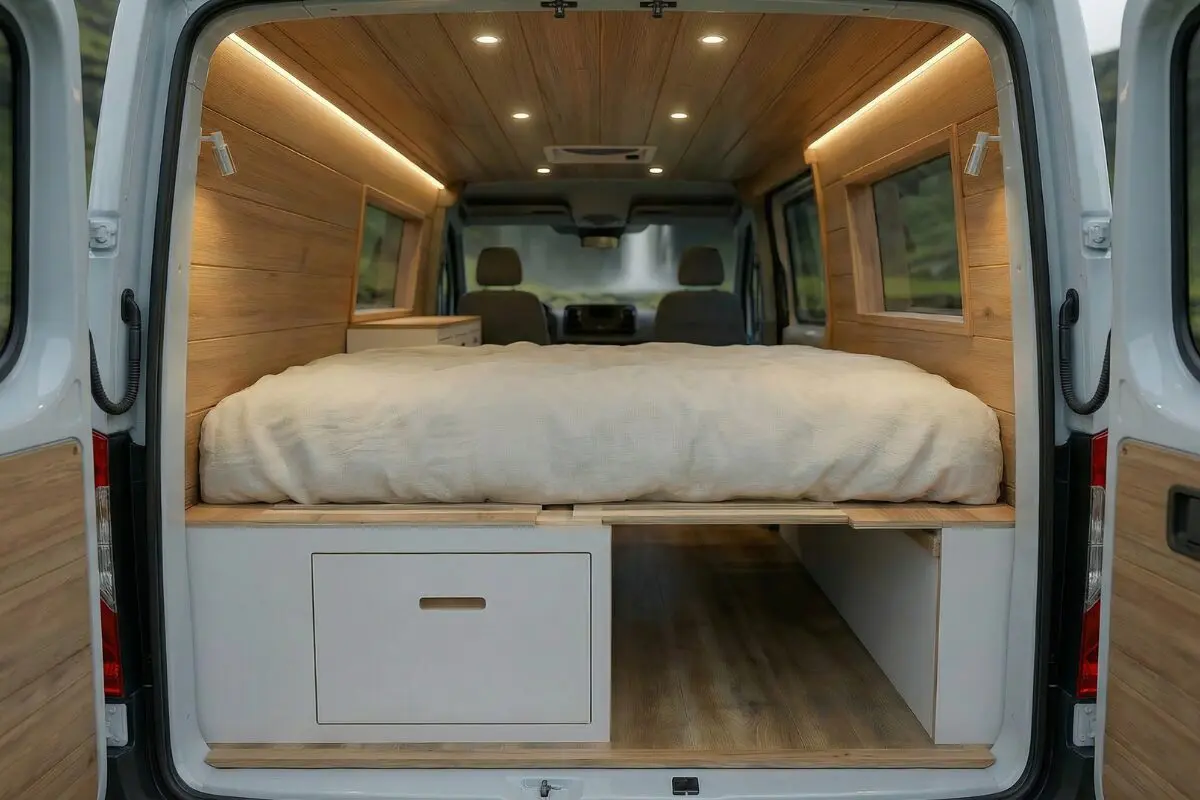
- Sleeping arrangements: a real comfortable double bed with a good mattress, not just a simple 5 cm foam mattress. Also, check if the bed/bench conversion system is easy to handle.
- Heating: absolutely essential in Iceland, even in mid-summer. A good heating system makes all the difference for comfortable nights.
- Cooking facilities: refrigerator (not just a cooler), sink with water tank, gas stove. Make sure the kitchen equipment is complete (pots, pans, utensils, dishes).
- Electricity: auxiliary battery that charges while driving, 220V and USB sockets to charge all your devices. This is crucial when traveling with a phone, camera, laptop…
- Ventilation: hatch with electric ventilation, windows that open, blackout curtains. Ventilation is important to avoid condensation, especially in Iceland where humidity is high.
- Storage: proper thoughtful storage spaces, not just an empty trunk. You’ll be living in this van for a week, so you need to be able to organize your stuff.
Van Size
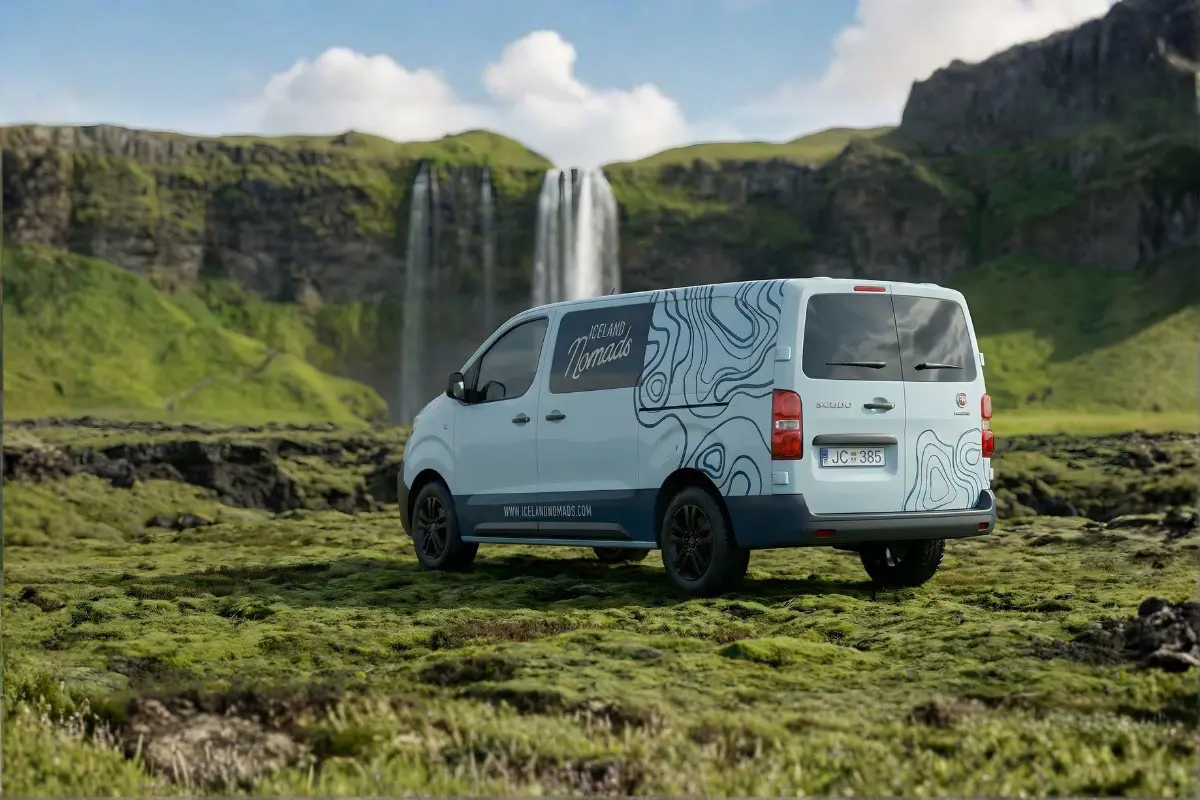
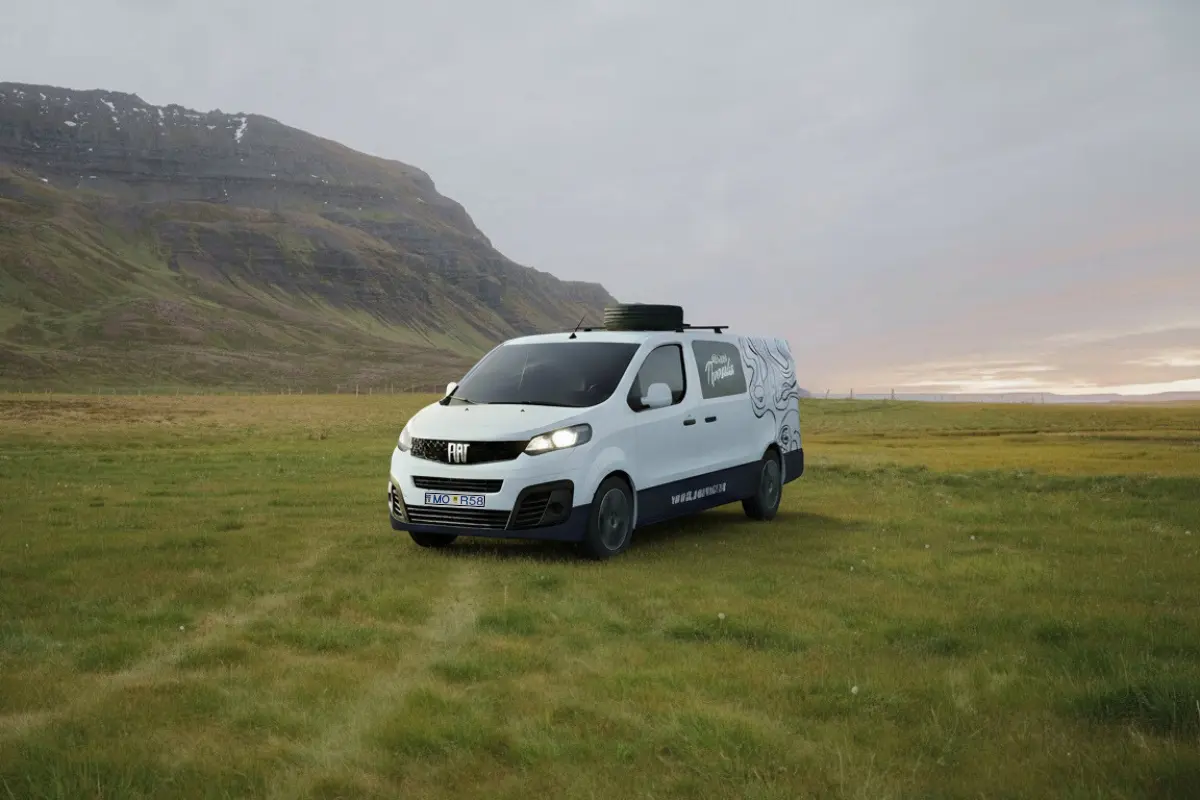
Vans in Iceland are generally models like Fiat Scudo L3 or equivalent. It’s the ideal size: spacious enough to live comfortably for two, but not too bulky for easy parking and maneuvering.
A van that’s too small will feel cramped by the second day. Too big and you’ll struggle on certain roads and in parking lots. This model really strikes the right balance.
Manual or automatic transmission?
Both are available for rent. If you have the option and are comfortable with manual, go for it: it usually consumes a bit less fuel (and that matters in Iceland where gas is expensive). But if you’re not comfortable with manual transmission, especially on mountain roads, don’t hesitate to take the automatic.
Prepare for departure
When to go on a van trip in Iceland?
The ideal season for traveling by van stretches from May to September. Each period has its advantages:
- May-June: fewer tourists, nature awakening, and rapidly lengthening days. Prices are more reasonable than in the middle of summer. However, it can still be quite chilly at night, so heating will be your best friend.
- July-August: peak tourist season, generally milder weather. This is the time of the midnight sun, perfect for enjoying long evenings outdoors. Campsites are busier and prices are higher.
- September: a great compromise. Fewer crowds than in summer, the first northern lights starting to appear, and beautiful autumn colors. The weather remains decent at the beginning of the month, but be prepared for cooler nights.
To dive deeper into this topic, check out our detailed guide on when to go to Iceland according to the seasons and climate.
What budget to plan?
For a one-week road trip by van in Iceland, expect to budget around:
- Van rental: €800-1200 depending on the season and equipment
- Supplementary insurance: €200-300 (recommended)
- Fuel: €300-400 (gasoline is expensive in Iceland, expect around €2/liter)
- Campsites: €15-20 per person per night
- Food: €50-80 per day for two if you cook for yourselves
- Cooking gas: €10-15 for the week
Total for two people: €1500-2000 for the week, excluding flights and activities. It's a significant budget, but Iceland remains an expensive destination. The good news is that by cooking in your van and camping, you save a lot compared to hotels and restaurants.
The necessary documents
No visa is required for European citizens. You need:
- A valid driver's license (a regular class B license is sufficient)
- A credit card for the rental deposit (usually €1000-2000 blocked)
- A travel insurance (check what is included in your rental)
- The Iceland Road and Coastal Administration app to monitor road conditions
- The SafeTravel app for weather alerts and road conditions
Conduire en van en Islande
Driving Specifics
Driving in Iceland is pretty straightforward, but there are a few specifics to keep in mind:
- Speed limits: 90 km/h on paved roads, 80 km/h on gravel roads, 50 km/h in towns. There are many speed cameras, and fines can be hefty (starting from €100). Make sure to strictly follow the speed limits, especially on roads where gravel can damage your windshield.
- One-lane bridges: very common in Iceland. The first vehicle to arrive has the right of way, while others wait. Slow down as you approach and check that no vehicle is coming before you cross.
- Sheep: they roam freely on the roads, especially in summer. Slow down when you see them, as they are totally unpredictable and might suddenly cross in front of you.
- Weather: it changes very quickly. Check the forecast every morning and adjust your plans accordingly. Be very careful when opening your doors in strong winds (doors ripped off by the wind are a classic in Iceland and are not covered by insurance).
- Gravel roads: many secondary roads are gravel. Slow down (max 60-70 km/h) to avoid losing control and kicking up stones that could damage the vehicle.
Managing Fuel
Gas stations are frequent along the Ring Road, but much more spaced out in remote areas. Never let your tank drop below a quarter.
Most stations operate on a self-service basis with card payment at the pump. Make sure your card works (PIN code required). Some stations only accept chip cards.
Daily Parking
- Day parking: you can park anywhere it’s not explicitly prohibited. Take advantage of this to have lunch with a view, take a nap, or simply enjoy the scenery. Be cautious of paid parking near tourist sites (rates posted, payment online or at kiosks).
- Size: even though the van is compact, think about your height in covered parking (rare in Iceland, but it exists). And in small fishing villages, be mindful of the width of the streets.
- Overnight parking: we’ll cover that right after; it’s a whole chapter on its own!
Dormir en van en Islande
The golden rule: camping is mandatory
Let's be clear from the start: wild camping is prohibited in Iceland. You must only sleep in official campsites or designated areas for campers.
This rule exists to protect Iceland's fragile nature. It is strictly enforced: rangers patrol, and the fine can go up to €1000. Not to mention, the locals really don't appreciate tourists who break this rule.
Campsites in Iceland
Iceland has an excellent network of campsites with quality facilities. Forget the image of basic camping with questionable toilets: here, you often have spotless hot showers, covered kitchen areas, wifi, electrical outlets, and sometimes even geothermal hot tubs.
- Rates: expect to pay €15-20 per person per night. Some campsites charge an extra fee for electricity (€5-10) if you want to plug in your van.
- Services: all campsites have at least toilets and showers. Most also offer covered kitchen areas (super handy when it rains), washing machines, charging stations for phones, and free wifi.
- Booking: during high season (July-August), some campsites can be fully booked. It's recommended to reserve a few days in advance, especially in very touristy areas like Vík, Jökulsárlón, or near Reykjavik. Off-season, you can usually arrive without a reservation.
- Arriving at the campsite: most campsites have a reception where you check in and pay. Some operate with automatic kiosks if you arrive late. Choose your spot (usually free), set up, and enjoy.
Living at the campsite
- Showers: almost always paid (500 ISK, about €3-4 for 5-10 minutes). Always have some change on you. Showers are generally spotless, with nice hot water. It's a great time to enjoy it after a day outside exploring the must-see sites of the island.
- Kitchen areas: real spaces with cooktops, sinks, tables, and chairs. Perfect for cooking sheltered when it rains or when it's too windy outside. They are usually well-heated, making it nice to hang out in the evening.
- Electricity: if you pay the extra fee for electricity, you can plug your van into a campsite outlet. Otherwise, your van's battery recharges while you're driving during the day, which is usually enough for your basic needs (charging phones, using lights).
- Wifi: available in most campsites, but not always very fast. Take advantage of it to send your photos, check your emails, and download maps for the next day.
- Other travelers: campsites are great places to meet other travelers, exchange tips, and share a meal around a table. The atmosphere is generally very friendly.
Iceland is for you, right?
If you love the idea of going on an adventure while keeping some comfort, if you want the freedom to change your plans according to the weather and your desires, if you dream of waking up facing a glacier or making your coffee by the ocean, then yes, the van in Iceland is made for you.
This is the most flexible and comfortable way to discover the island. You go at your own pace, stop wherever you want, and live close to Icelandic nature while returning each evening to your cozy little cocoon.
Between stops, don’t forget to check out the top 5 activities to do in Iceland to enrich your road trip!
So, ready to hit the road?